
Introduction:
Welcome to our comprehensive guide on Municipal Billing & Collection. This resource analyzes the critical processes for optimizing billing and collection within municipalities and school districts. This resource tackles key performance indicators (KPIs) and the strategic advantages of in-house versus outsourced management. This guide delivers the data and insights necessary to drive fiscal responsibility and optimize revenue management in the public sector.
Billing KPIs:
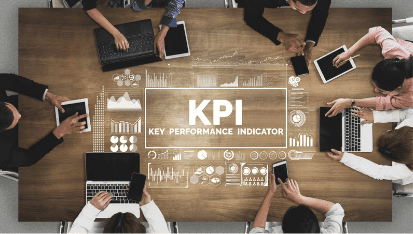
Key performance indicators (KPIs) serve as vital metrics for evaluating the effectiveness of local billing processes. We’ll explore essential KPIs such as billing accuracy, timeliness, collection rates, and customer satisfaction. Altogether, by tracking these metrics, municipalities can identify areas for improvement and drive operational excellence.
Municipal Billing & Collection Strategies:
Efficient collection strategies are vital for maximizing revenue and minimizing delinquent payments. This section will discuss data-driven approaches, including the development of robust payment reminder systems and the implementation of a municipality-specific collection strategy. We will also explore the critical importance of balancing enforcement with public compassion.

Customer Service Excellence:

Exceptional customer service is essential for positive relationships within the community. We’ll examine strategies for delivering personalized service, fixing billing inquiries quickly, and enhancing communication channels to improve overall satisfaction. By prioritizing customer service within your municipal billing & collection strategy, municipalities foster community trust and increase constituent loyalty.
In-House vs. Outsourcing:
The decision to manage billing and collection processes in-house or outsource to third-party providers can have significant implications. We’ll weigh the pros and cons of each approach, considering factors such as cost-effectiveness, resource allocation, and service quality. With careful consideration, municipalities can determine the most suitable solution for their unique needs.

Navigating Municipal Billing Issues:
Municipalities often encounter various billing challenges, from incorrect data to billing disputes. We’ll address common issues such as old systems, manual errors, and regulatory compliance concerns. By implementing municipal billing and collection best practices and using technology solutions, municipalities can overcome obstacles and optimize billing operations.
The Rise of Online Payments:
The advent of online payment platforms has brought positive change to billing and collection processes for municipalities. We’ll explore the benefits of online payment portals, including ease of use, accessibility, and enhanced security. Additionally, we’ll discuss strategies for promoting online payment adoption and driving digital transformation in revenue management.

Utility Billing and Collection:

As utility services form a critical component of local revenue streams, including. water, sewer, electricity, and gas-effective billing is paramount. This final section will examine best practices for utility billing and rate structures, along with technologies for accurate pricing and revenue forecasting. By moving forward with modern, reliable utility billing and collection practices, municipalities can reduce financial risk, optimize cash flow, and ensure the long-term fiscal stability of these essential services
Refuse Billing and Collection:
Refuse collection services are essential for keeping public health and sanitation standards. We’ll discuss strategies for optimizing refuse billing processes, accurately managing waste disposal costs, and integrating revenue from recycling initiatives. Additionally, with efficient local billing and collection practices concerning refuse, municipalities can stabilize operational budgets and ensure cost recovery for essential community services.

Real Estate Tax Billing and Collections:

Real estate taxes represent a significant source of revenue for municipalities and school districts. Therefore, we’ll explore the complexities of real estate tax billing, assessment practices, and late payment management strategies. Also, by implementing transparent tax billing practices and proactive collection efforts, local areas can ensure sustainable funding for essential public services and education.
Conclusion:
As a trusted partner in municipal billing and collection, PAMS is committed to empowering municipalities and school districts with the tools and expertise needed to optimize revenue management. Above all, by implementing best practices, leveraging technology solutions, and prioritizing customer service excellence, we can help you achieve your financial goals and better serve your community. In summary, contact us today to learn how we can support your billing and collection needs.
Read More: PAMS